India has marched from being one of the world’s top vaccine-manufacturing hubs to become an emerging player in research and development, a feat that gives the densely-populated tropical country a shot in the arm.
The nation makes more than 60% of the world’s vaccines. But back in 1985, none of the six vaccines that were part of the just-launched universal immunisation programme were “Made in India”. The programme today includes vaccines for a dozen diseases.
The swelling inventory is a reflection of the slow and steady focus on R&D alongside mass production of cheap and affordable medicine the country is famous for.
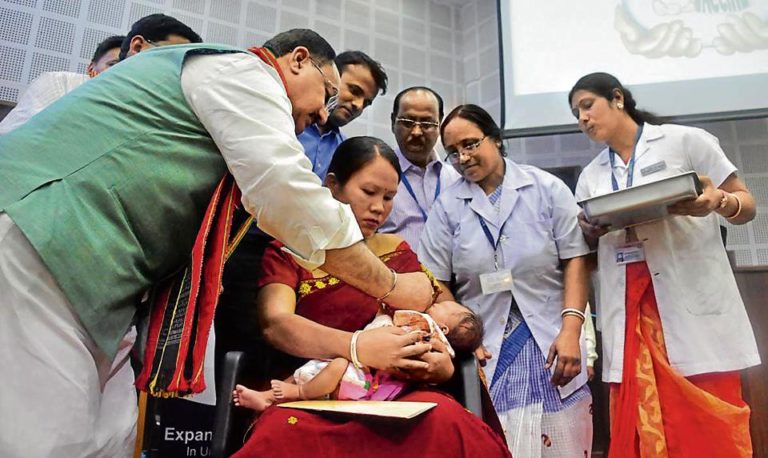
ROTAVAC, a Bharat Biotech vaccine that protects against diarrhoea became the first indigenously developed vaccine to be incorporated in the government-sponsored immunization campaign this year.
Besides, Bharat Biotech reported recently that its typhoid vaccine, Typbar TCVTM, has shown 87% efficacy in trials. The announcement showcases India’s vaccine development efforts.
Another sign of India taking a lead in R&D came this January when the nation took full membership of the International Vaccine Institute’s governing council, committing US$ 500,000 each year.
Discovering new vaccines is a risky venture that requires heavy investment over long periods. Only one in about 10,000 vaccine candidates makes it to clinical trials that involve tests on humans. It can take an average 10 years to progress from the pre-clinical to the manufacturing stage.
That makes public investment and government support indispensable for basic research.